Good looks aren’t everything in screen acting. Gene Hackman, who has died at 95, was hardly the most conventionally handsome face in Hollywood, while the voice was a congestive rasp strewn with quirky chuckles and changes of pitch.
All this unusual leading man needed was the world’s worst hat — that unforgettable porkpie in The French Connection — to win the 1972 Best Actor Oscar. His browbeating New York police detective Jimmy “Popeye” Doyle was the anti-hero of the hour and year.
The actor went even more defiantly dowdy (crumpled raincoat, dowdy suit) for his role as a surveillance expert and conspiracy sleuth in Francis Ford Coppola’s The Conversation (1974).
By his own admission, he wasn’t an actor with a mission: he took what came and seldom pursued coveted roles. Nor did he mouth off about political issues in age rampant with ideological gab (see Jane Fonda, Warren Beatty, Robert Redford). But for 30 years, from his hoodlum brother in Bonnie and Clyde (1967) to his philandering president in Absolute Power (1997), Hackman was a character actor with a star’s punch and pay-packet.
Born in San Bernardino, California, on January 30 1930, he had a childhood that was as geographically jumbled as his ancestry (Pennsylvania Dutch, English, Scottish). The family moved to Danville, Illinois, where Hackman’s father ran a newspaper printing press before running out on his wife and children: a moment — the casual goodbye wave — his son said he never forgot.
The young Hackman joined the Marines at 16, serving for four years as a field radio operator. Fulfilling long-nursed ambitions to act, he joined the Pasadena Playhouse in 1956, where he befriended a seven-years-younger Dustin Hoffman. Moving to New York, they formed a room-sharing pool of three with another struggling actor, Robert Duvall.
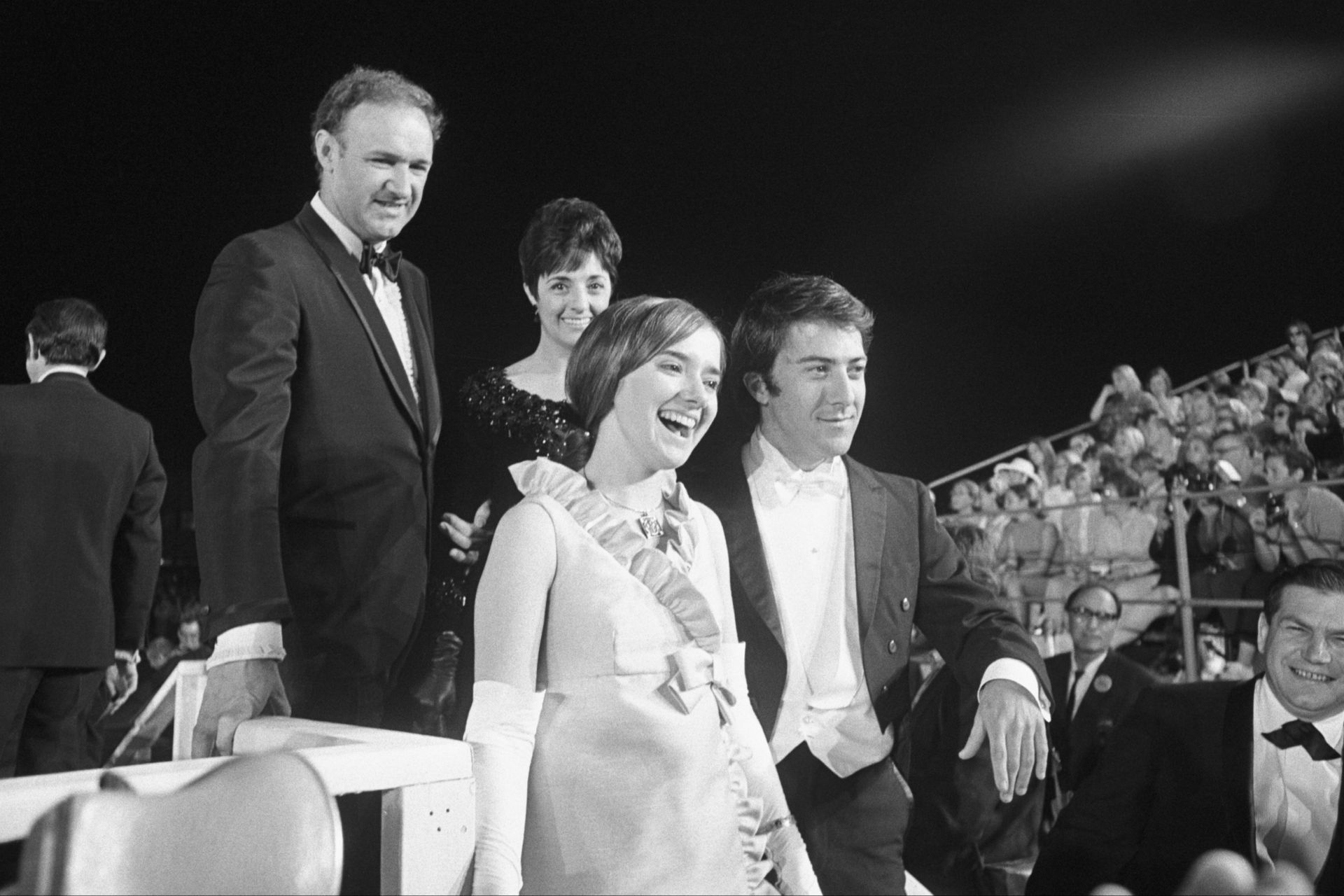
To add extra farfetchedness to this convergence of future stars, two got famous in the same year. In 1967, Hoffman starred in The Graduate while Hackman turned down a role in the same film to play Warren Beatty’s brother in Bonnie and Clyde. The performance won Hackman a Best Supporting Actor Oscar nomination. (Duvall had already garnered attention in 1962 with a small role in To Kill a Mockingbird). In the next 30 years these three men would notch up 18 Academy Award nominations between them, including five wins.
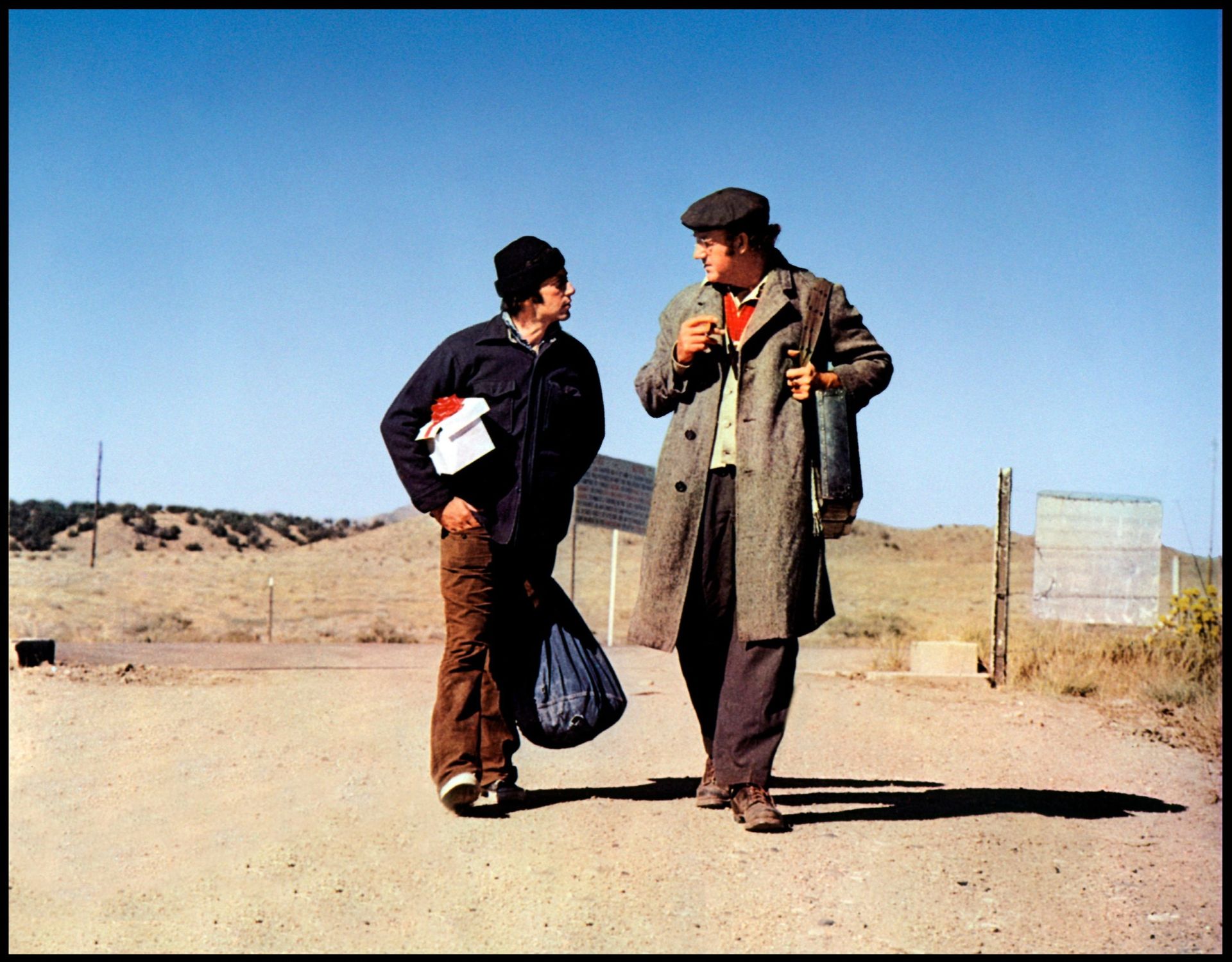
Hackman quickly became a volatile, versatile screen powerhouse. He was adept alike at stroppy sports coaches (Downhill Racer, 1969), sentimental mid-lifers (I Never Sang for My Father, 1970) or priests on capsized liners (The Poseidon Adventure, 1972). The French Connection (1971) was his first commercial superhit as a star. But his own favourite role was his forlornly peppy hobo, opposite a young Al Pacino, in the road movie Scarecrow, winner of the top prize at the 1973 Cannes Film Festival.
He was prolific and dependable for the rest of the century. Tautly textured villains — Lex Luthor in Superman, the Machiavels and martinets of The Firm, Crimson Tide, Enemy of the State — alternated with tormented everymen whose plain features concealed reserves of tragic humanity. Nicolas Roeg’s Eureka (1983) was a critically spurned curio with a vintage Hackman performance.
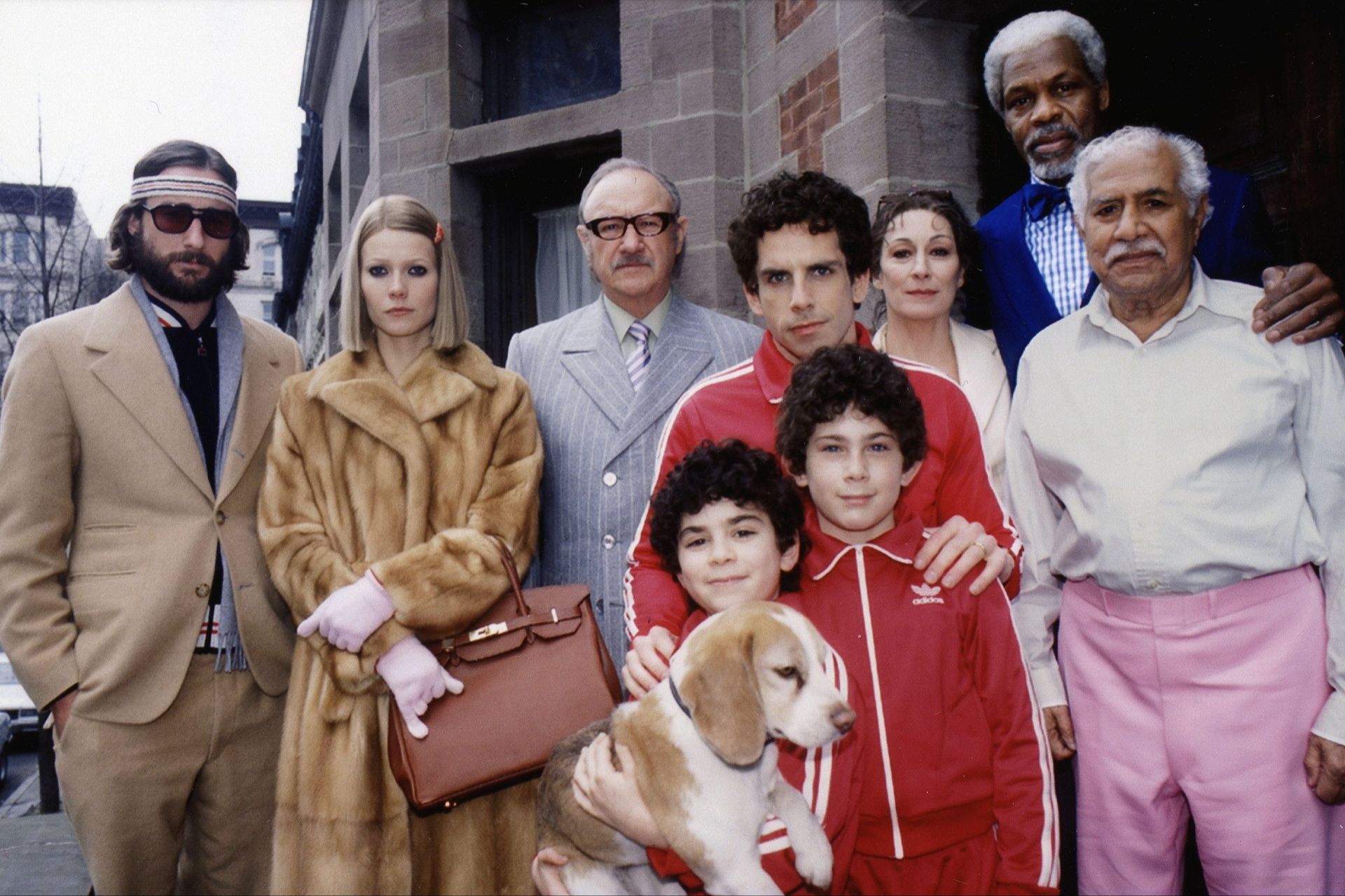
He brought depth to Arthur Penn’s Night Moves (1975) and Alan Parker’s Mississippi Burning (1988), then won a second Oscar, for Best Supporting Actor, in Clint Eastwood’s Unforgiven (1992), playing a corrupt sheriff with dark sadistic menace. In the 1990s and beyond he revealed unsuspected comedy skills in Get Shorty (1995), The Birdcage (1996) and The Royal Tenenbaums (2001).
At the 2003 Golden Globes he was honoured with a Cecil B DeMille award for “outstanding contribution to the entertainment field”. By then he had moved on to another field: fiction writing. With underwater archaeologist David Lenihan he co-authored three historical fiction works. Later he went solo with a Western novel, Payback at Morning Peak (2011), and returned to French Connection territory with the police thriller Pursuit (2013). Other non-filmic enthusiasms included amateur motor racing and, continuing into his retirement from movie acting, painting.
He died alongside his second wife, Betsy Arakawa, whom he married in 1991, and is survived by three children from his first marriage to Faye Maltese.