Shinzo Abe, a polarising, nationalist scion of an elite political dynasty and Japan’s longest-serving prime minister, defined an era of reform and invited the world to reassess the giant Asian economy under his “Abenomics” banner. He died after being shot during a campaign speech in western Japan at the age of 67.
Abe’s second term in office, which stretched from late 2012 to the summer of 2020 and generated fandom, scandal and large-scale protests, stood in striking contrast with the decades that preceded it and his first short one-year stint as prime minister. His was an outsized incumbency, said political analysts, for an outsized political figure.
For years after the collapse of the 1980s stock and property bubble, Japan struggled with economic stagnation, a succession of prime ministers each lasting an average of around 18 months, and the nation’s creeping diminution on the global stage. Abe, who mixed domestic charisma with diplomatic verve, sought to redress all of that.
Born in 1954, Abe, a native of Yamaguchi prefecture, was a grandson of Nobusuke Kishi, a cabinet member during the second world war who was accused of being a war criminal after Japan’s defeat. Kishi was later exonerated and went on to become prime minister, and Abe’s family roots and upbringing shaped his nationalist view that the constitution the US imposed on Japan after the war needed to be rewritten.
Despite his blue-blood background, his first stint as prime minister ended abruptly in 2007 after a little over a year due to chronic bowel disease. His political career appeared to be finished, but he made a stunning comeback in 2012 with a promise to lift the economy out of deflation through aggressive stimulus and monetary easing.
Another central theme of his domestic agenda was “womenomics” — an acknowledgment that Japan’s female labour force had been structurally and unjustifiably underused for generations. Japan, he memorably told the World Economic Forum in Davos in 2014, “must become a place where women shine”. Like many of Abe’s reforms, though, the follow-through on womenomics, and the record in hitting targets for women getting senior management positions, was a thin shadow of his original rhetoric.
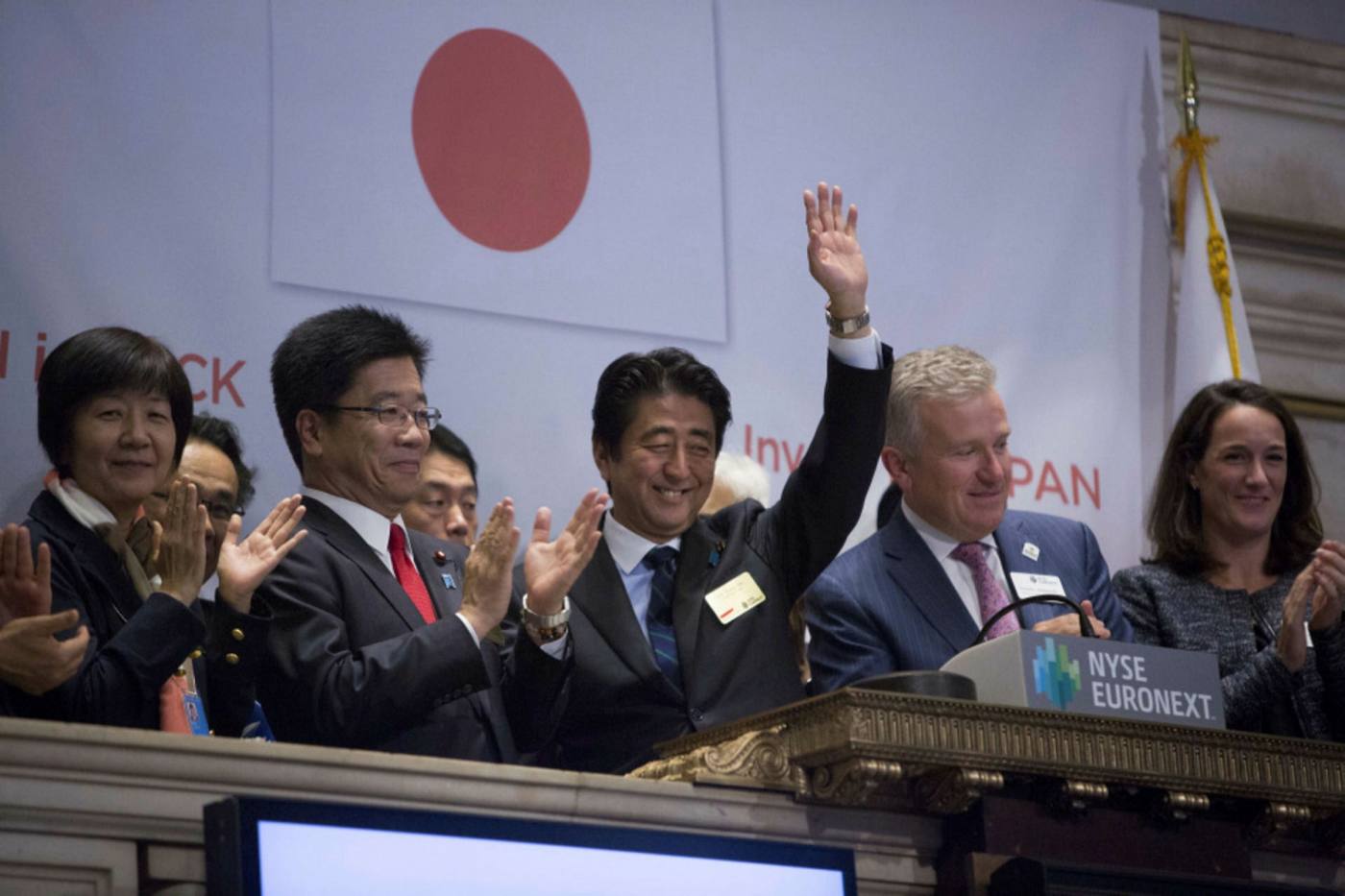
In his pursuit of national resurrection, Abe’s approach drew on deep-rooted beliefs and often eye-catching showmanship. In 2013, he addressed the New York Stock Exchange with an entreaty to foreign investors to “Buy my Abenomics”. Two years later, he brought Japan into the Trans-Pacific Partnership, a regional trade deal, quashing the opposition of the powerful domestic farming lobby in a way his predecessors could hardly have imagined.
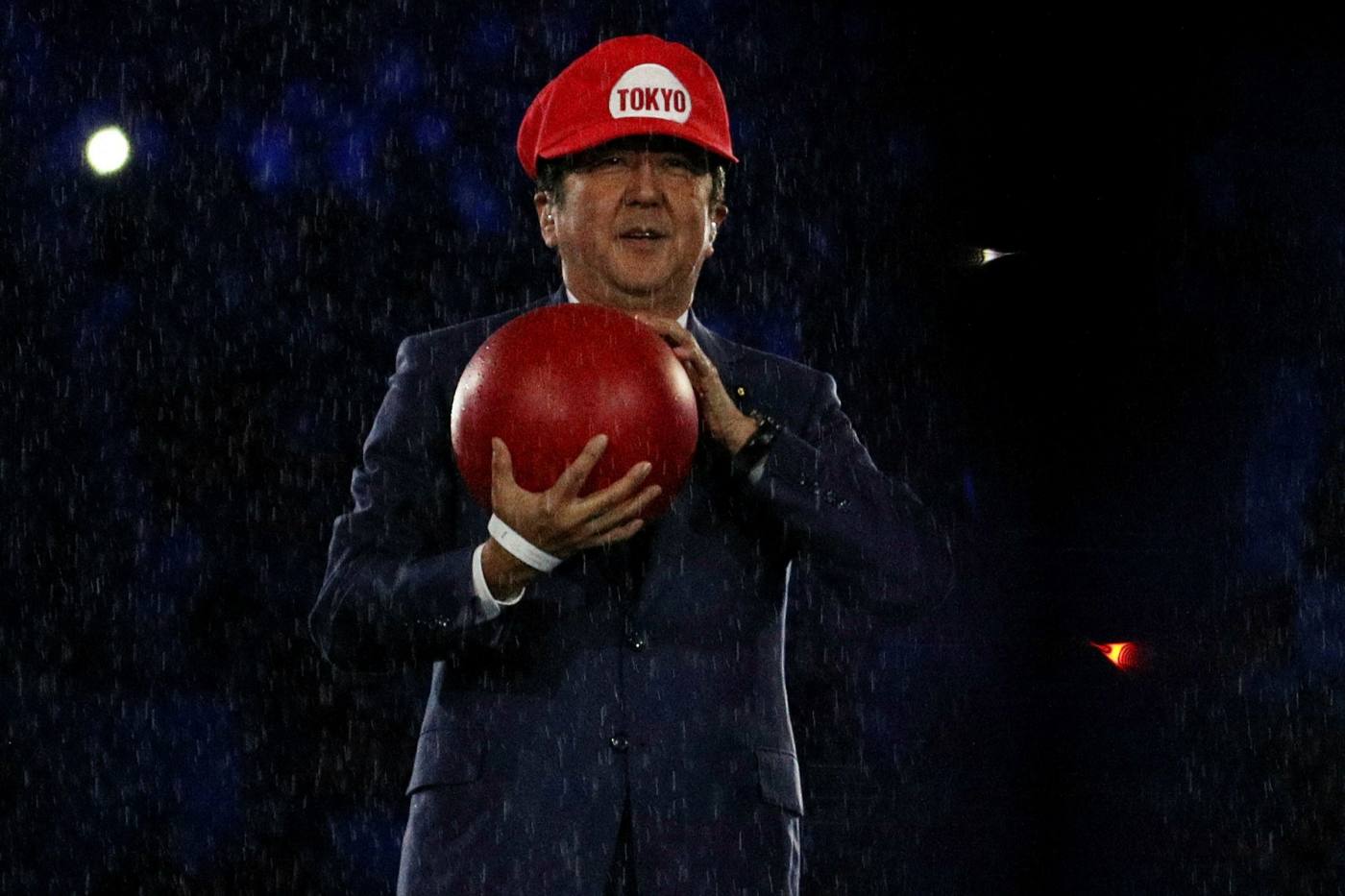
In 2016, in a masterstroke of global soft-power supremacy, he appeared at the closing ceremony of the Rio Olympics dressed as the lead character from the computer game Super Mario. Abe’s act was designed to throw attention on the 2020 games in Tokyo — an event he had played a central role in bringing to the Japanese capital, but which would ultimately be postponed and overshadowed by the Covid-19 pandemic.
“He created positive momentum after a dark period for Japan,” said Takeshi Niinami, chief executive of Suntory, the drinks group, who was also a leading adviser to Abe. Japan had still needed the former prime minister, Niinami said. “He created controversy, but that was fine because he also created healthy debate,” he said.
A big part of Abe’s legacy lay in new trade deals and his push for “a free and open Indo-Pacific” at a time when globalisation was under threat. His vision was also instrumental in the creation of the Quad, a security grouping including Japan, the US, India and Australia, to counter China’s military and economic ambitions.
“Japan under Shinzo Abe had caught up with reality and succeeded in expanding its diplomatic horizon,” said Tomohiko Taniguchi, Abe’s primary foreign policy speechwriter during his second stint as prime minister.
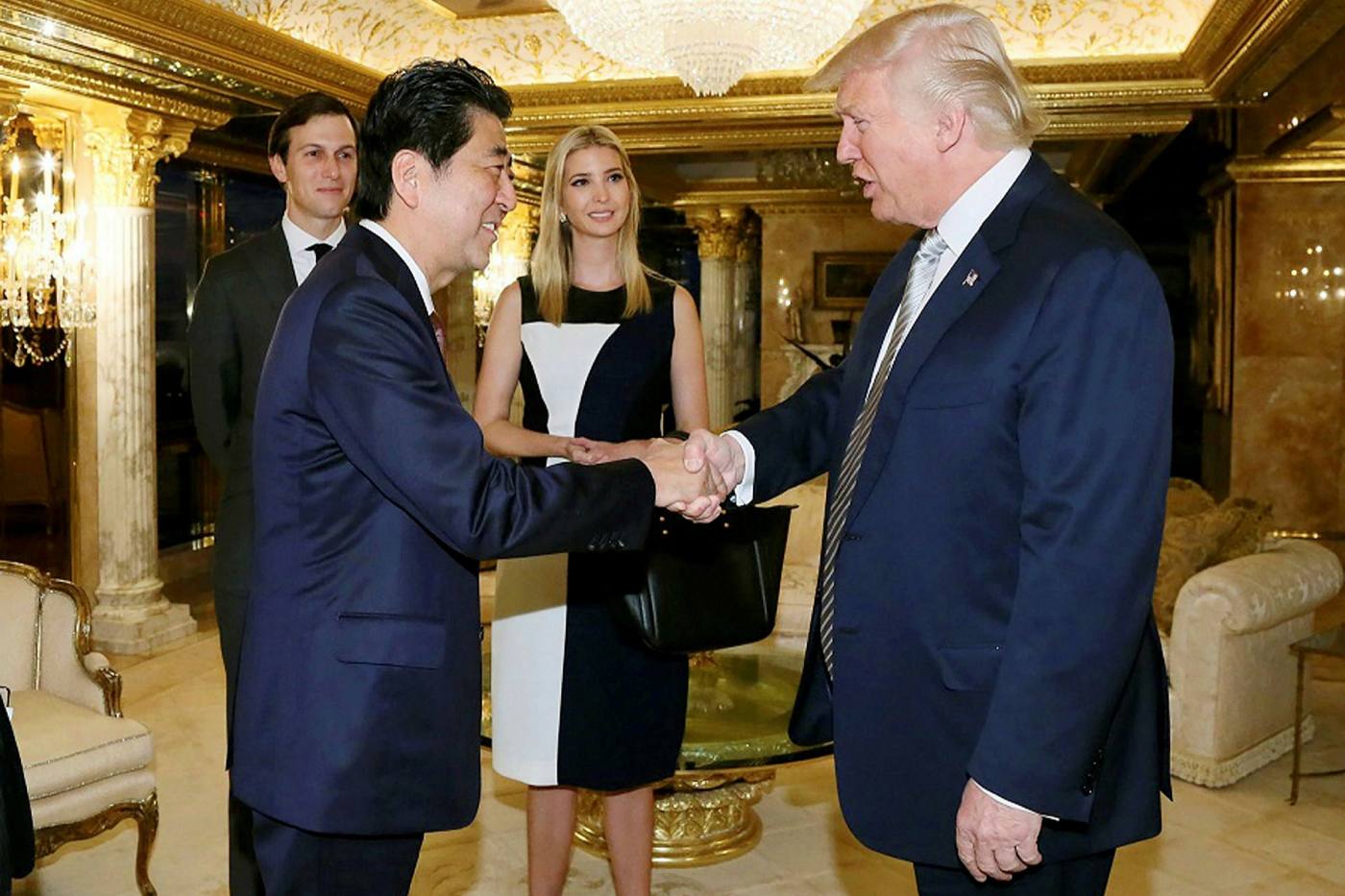
The former prime minister was a consummate diplomat, flying straight to New York immediately after the 2016 election to present then president-elect Donald Trump with a gold golf club. And his unusual political longevity meant Abe became that rarest of things: a regular, dependable attendee at global and regional summits. After learning of the shooting, the former US president described Abe as “a true friend of mine, and, much more importantly, America.”
Tobias Harris, a political analyst who wrote a biography of Abe in 2020, said he was a unique figure in modern Japanese politics, not just for his political longevity and domestic legacy, but for the historic shift he engineered in Japan’s international standing.
“He saw Japan waning and was determined to reverse that. Through his diplomacy, Abe completely changed Japan’s stature and the outside world’s expectations of what Japan would do,” said Harris.
Some of Abe’s diplomatic efforts fell flat, however, most notably in Russia where he failed to convince president Vladimir Putin to return disputed islands to Japan despite years of courtship.
In 2015, he risked political capital and high approval ratings by ramming through security laws to reinterpret the pacifist constitution so that Japan could to come to the military aid of an ally such as the US.
In common with many of his predecessors, Abe’s premiership ended under a cloud of scandals. One concerned a cut-price sale of government land to a nationalistic school with close ties to the prime minister’s wife, Akie, who survives him. In 2019 Abe himself was accused of using a tax-funded cherry blossom party for political purposes.
Harris said Abe’s death would have a profound impact on Japanese politics: if he had lived, he would have continued to cast a large shadow over current Japanese prime minister Fumio Kishida and any other successors. “He had a legacy to protect, and he would have been there to hand out praise, but also use his bully pulpit to provide correction if a successor strayed off track,” Harris said.
Just two days before Abe was shot by a lone gunman in the western city of Nara, he was evoking his days as prime minister in a passionate stump speech near Yokohama station. Even after stepping down from Japan’s top job, he held continuing influence as head of the ruling Liberal Democratic party’s largest faction and was eager to complete his unfinished ambition of constitutional revision.
“It is our responsibility to protect this beautiful nation Japan,” Abe said, raising both his voice and fist to an enthusiastic crowd. “Let’s revise the constitution!”